All Episodes
Sort by
Cast
View All Fellows
Click here to see the Hoover project showcasing the works of Milton and Rose Friedman.
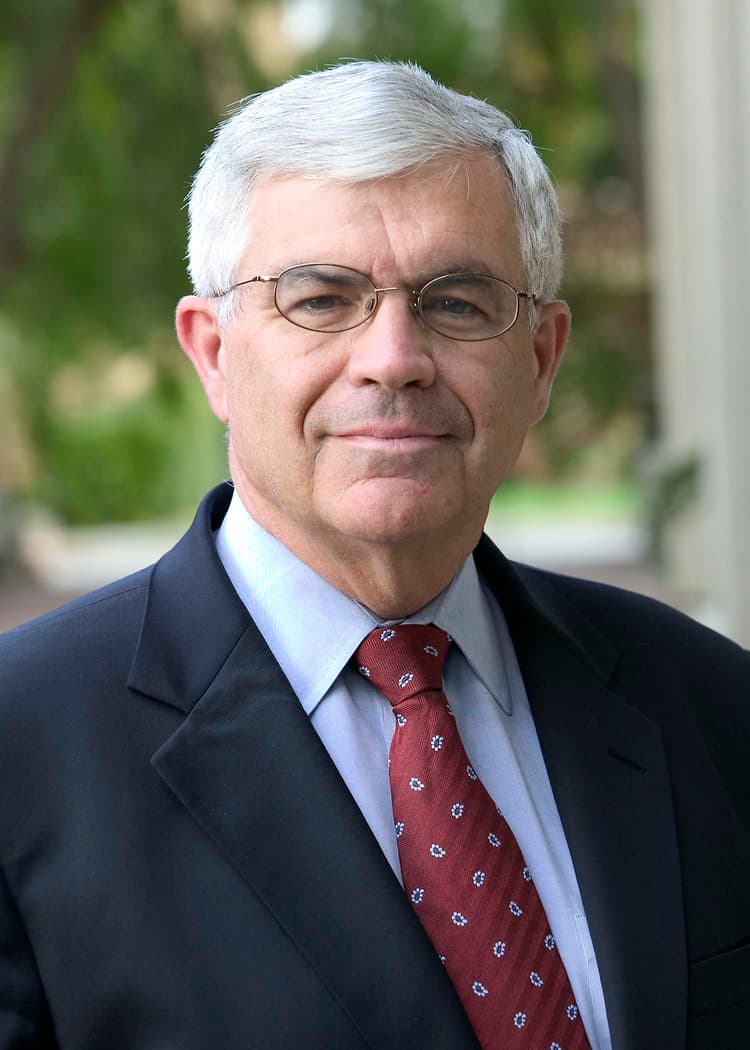
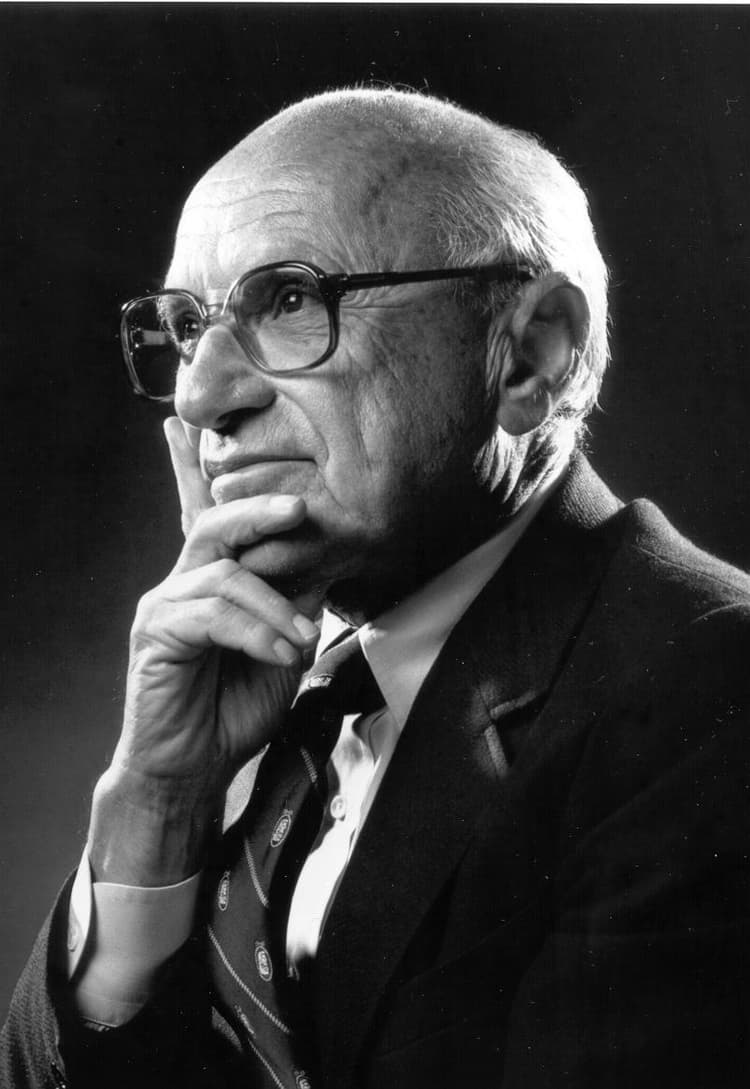
Milton Friedman, recipient of the 1976 Nobel Memorial Prize for economic science, was a senior research fellow at the Hoover Institution from 1977 to 2006. He passed away on Nov. 16, 2006. (Link to obituary.) He was also the Paul Snowden Russell Distinguished Service Professor Emeritus of Economics at the University of Chicago, where he taught from 1946 to 1976, and a member of the research staff of the National Bureau of Economic Research from 1937 to 1981.
Friedman was awarded the Presidential Medal of Freedom in 1988 and received the National Medal of Science the same year.
He was widely regarded as the leader of the Chicago School of monetary economics, which stresses the importance of the quantity of money as an instrument of government policy and as a determinant of business cycles and inflation.
In addition to his scientific work, Friedman also wrote extensively on public policy, always with a primary emphasis on the preservation and extension of individual freedom. His most important books in this field are (with Rose D. Friedman) Capitalism and Freedom (University of Chicago Press, 1962); Bright Promises, Dismal Performance (Thomas Horton and Daughters, 1983), which consists mostly of reprints of columns he wrote for Newsweek from 1966 to 1983; (with Rose D. Friedman) Free to Choose (Harcourt Brace Jovanovich, 1980), which complements a ten-part television series of the same name shown over the Public Broadcasting Service (PBS) network in early 1980; and (with Rose D. Friedman) Tyranny of the Status Quo (Harcourt Brace Jovanovich, 1984), which complements a three-part television series of the same name, shown over PBS in early 1984.
He was a member of the President's Commission on an All-Volunteer Armed Force and the President's Commission on White House Fellows. He was a member of President Ronald Reagan's Economic Policy Advisory Board (a group of experts from outside the government named in 1981 by President Reagan).
Friedman was also active in public affairs, serving as an informal economic adviser to Senator Barry Goldwater in his unsuccessful campaign for the presidency in 1964, to Richard Nixon in his successful 1968 campaign, to President Nixon subsequently, and to Ronald Reagan in his 1980 campaign.
He has published many books and articles, most notably A Theory of the Consumption Function, The Optimum Quantity of Money and Other Essays, and (with A. J. Schwartz) A Monetary History of the United States, Monetary Statistics of the United States, and Monetary Trends in the United States and the United Kingdom.
He was a past president of the American Economic Association, the Western Economic Association, and the Mont Pelerin Society and was a member of the American Philosophical Society and the National Academy of Sciences.
He was awarded honorary degrees by universities in the United States, Japan, Israel, and Guatemala, as well as the Grand Cordon of the First Class Order of the Sacred Treasure by the Japanese government in 1986.
Friedman received a B.A. in 1932 from Rutgers University, an M.A. in 1933 from the University of Chicago, and a Ph.D. in 1946 from Columbia University.
Two Lucky People, his and Rose D. Friedman's memoirs, was published in 1998 by the University of Chicago Press.
Learn More
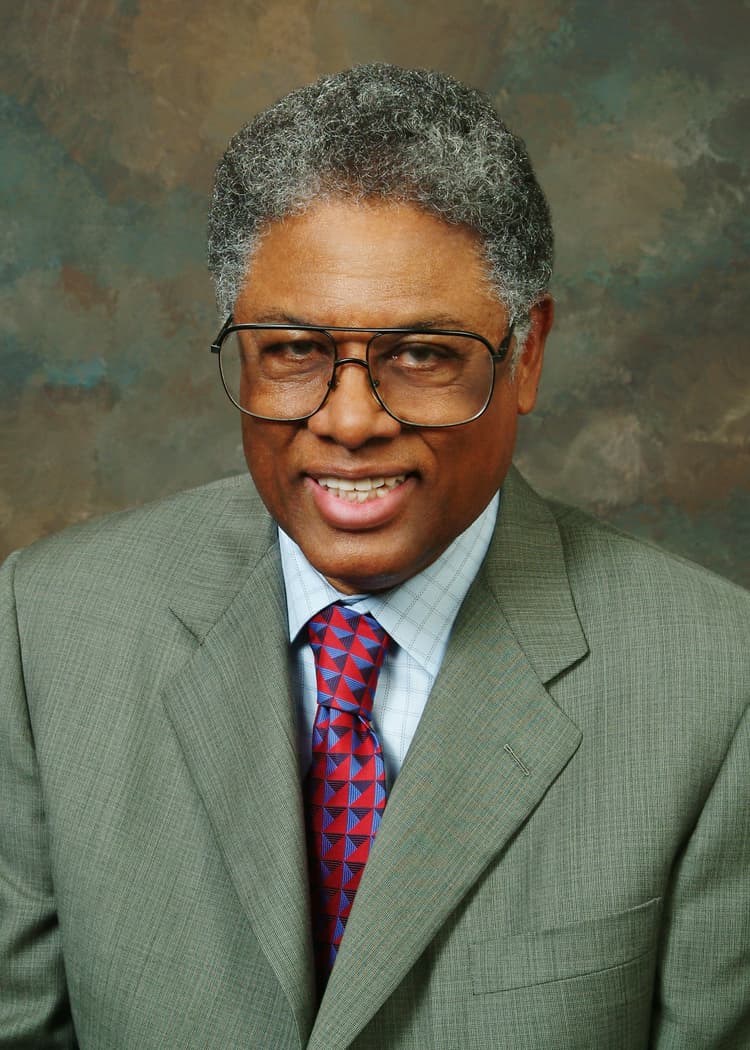
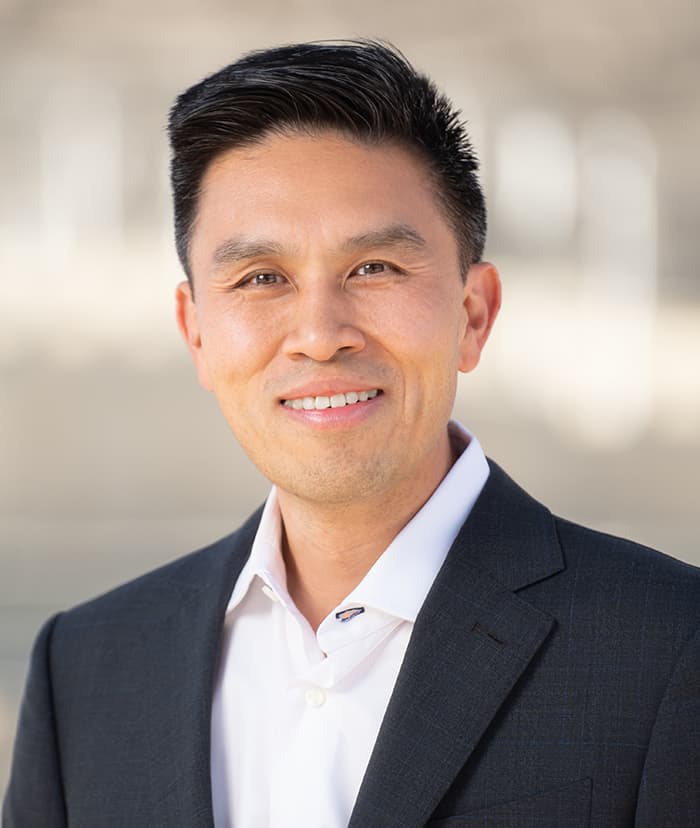
Thomas Sowell
Rose and Milton Friedman Senior Fellow on Public Policy, Emeritus
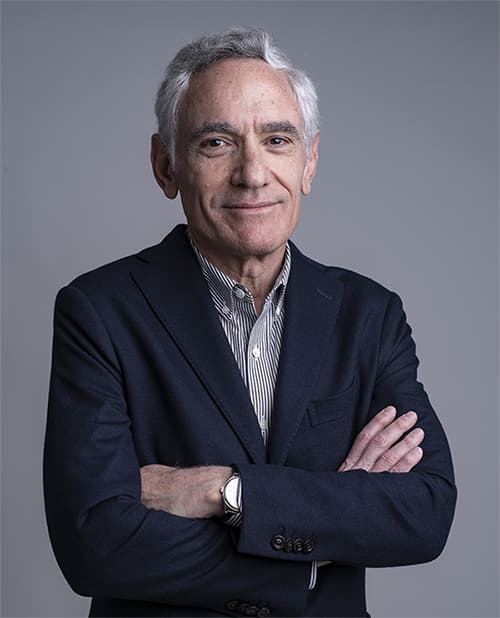
Thomas Sowell is the Rose and Milton Friedman Senior Fellow on Public Policy, Emeritus, at the Hoover Institution.
He writes on economics, history, social policy, ethnicity, and the history of ideas. His most recent book, Discrimination and Disparities (2018), gathers a wide array of empirical evidence to challenge the idea that different economic outcomes can be explained by any one factor, be it discrimination, exploitation or genetics. His books on economics include Housing Boom and Bust (2009), Intellectuals and Society (2009), Applied Economics (2009), Economic Facts and Fallacies (2008), Basic Economics (2007), and Affirmative Action Around the World (2004). Other books on economics he has written include Classical Economics Reconsidered (1974), Say’s Law (1972), and Economics: Analysis and Issues (1971). On social policy, he has written Knowledge and Decisions (1980), Preferential Policies (1989), Inside American Education (1993), The Vision of the Anointed (1995), Barbarians Inside the Gates (1999), and The Quest for Cosmic Justice (1999). On the history of ideas he has written Marxism (1985) and Conflict of Vision (1987). Sowell also wrote Late-Talking Children (1997). He has also written a monograph on law titled Judicial Activism Reconsidered, published by the Hoover Institution Press in 1989. His writings have also appeared in scholarly journals in economics, law, and other fields.
Sowell’s current research focuses on cultural history in a world perspective, a subject on which he began to write a trilogy in 1982. The trilogy includes Race and Culture (1994), Migrations and Cultures (1996), and Conquests and Cultures (1998).
Sowell's journalistic writings include a nationally syndicated column that appears in more than 150 newspapers from Boston to Honolulu. Some of these essays have been collected in book form, most recently in Ever Wonder Why? and Other Controversial Essays published by the Hoover Institution Press in 2006.
Over the past three decades, Sowell has taught economics at various colleges and universities, including Cornell, Amherst, and the University of California at Los Angeles, as well as the history of ideas at Brandeis University. He has also been associated with three other research centers, in addition to the Hoover Institution. He was project director at the Urban Institute, 1972-1974, a fellow at the Center for Advanced Study in the Behavioral Sciences at Stanford University, 1976–77, and was an adjunct scholar of the American Enterprise Institute, 1975-76.
Sowell was awarded the National Humanities Medal in 2002. In 2003, Sowell received the Bradley Prize for intellectual achievement. Sowell received his bachelor’s degree in economics (magna cum laude) from Harvard in 1958, his master’s degree in economics from Columbia University in 1959, and his PhD in economics from the University of Chicago in 1968.
Learn More
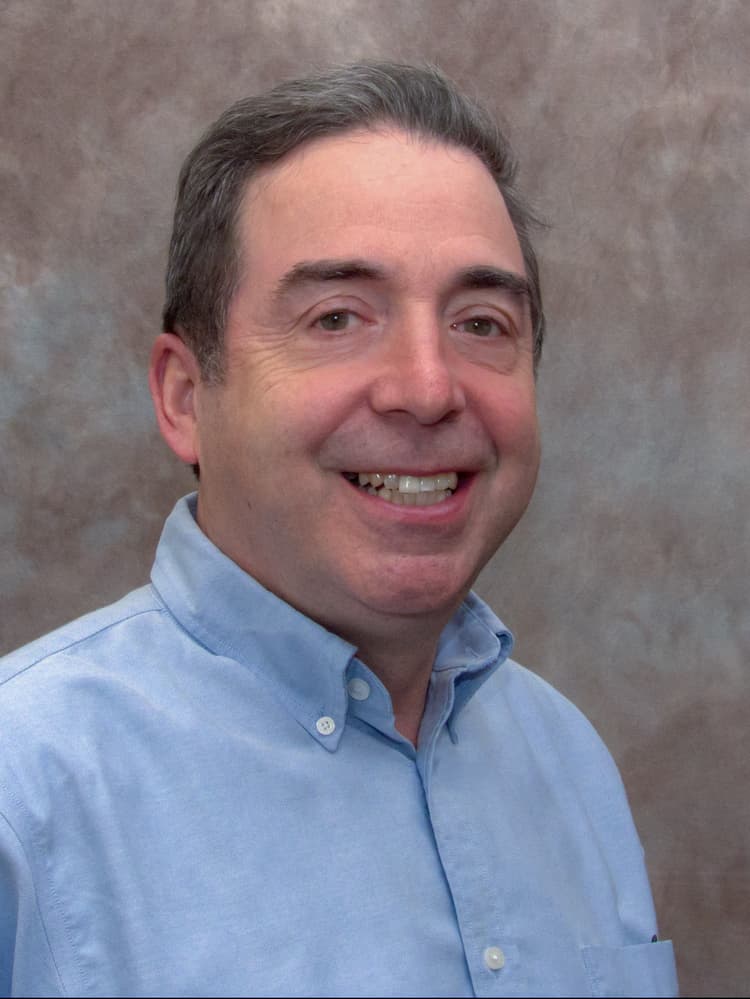
Terry Anderson
John and Jean De Nault Senior Fellow (adjunct)
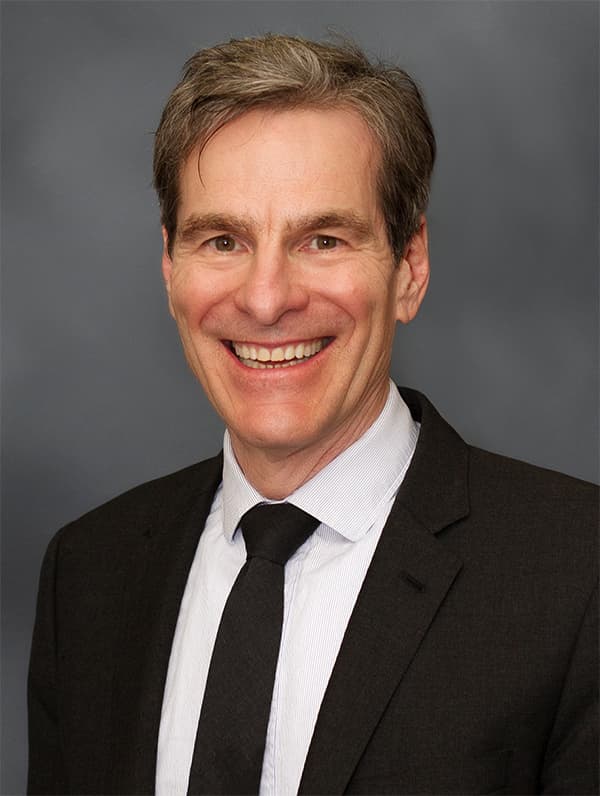
Terry L. Anderson has been a senior fellow at the Hoover Institution since 1998 and is currently the John and Jean De Nault Senior Fellow (adjunct). He is the past president of the Property and Environment Research Center in Bozeman, MT, and a Professor Emeritus at Montana State University where he won many teaching awards during his 25 year career.
Anderson is one of the founders of “free market environmentalism,” the idea of using markets and property rights to solve environmental problems, and in 2015 published the third edition of his co-authored book by that title. He is author or editor of 39 books, including most recently, Unlocking the Wealth of Indian Nations (2016), exploring the institutional underpinnings of American Indian reservation economies.
In addition to publishing in professional journals, Terry Anderson speaks around the world and is often featured in the popular press, including frequent editorials in the Wall Street Journal. Dr. Anderson received his Ph.D. from the University of Washington in 1972 and has been a visiting scholar at Oxford University, Basel University, Clemson University, and Cornell, and a Fulbright Fellow at the University of Canterbury.
Terry is an avid outdoorsman who enjoys fly fishing, hiking, skiing, horseback riding, and archery hunting.
Learn More
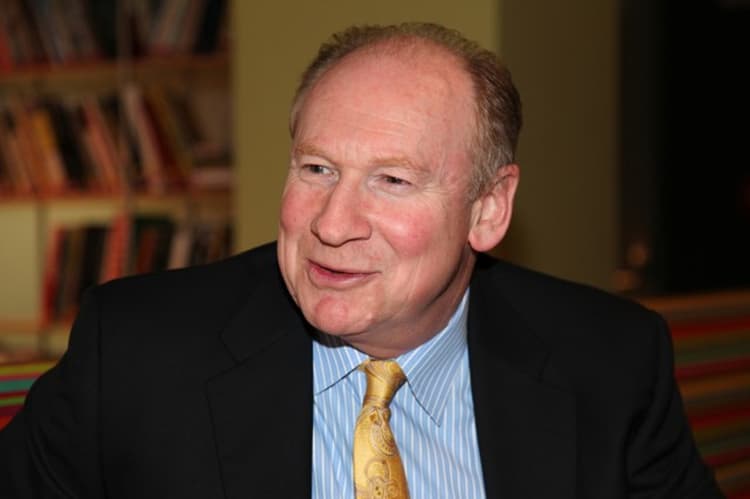
Edward Paul Lazear
Morris Arnold and Nona Jean Cox Senior Fellow (joint)
Edward P. Lazear passed away on November 23, 2020.
Lazear was the Morris Arnold and Nona Jean Cox Senior Fellow at the Hoover Institution and the Davies Family Professor of Economics at Stanford University's Graduate School of Business. Lazear served at the White House from 2006 to 2009, where he was chairman of the President's Council of Economic Advisers. Before coming to Stanford, he taught at the University of Chicago.
Lazear received numerous honors and prizes: among them, the 1998 Leo Melamed Biennial Prize for the best research by a business school professor, the 2004 Prize for Outstanding Contributions to Labor Economics from the Institute for the Study of Labor, and the 2006 Jacob Mincer Prize for lifetime achievement in the field of labor economics. He held four honorary degrees, the most recent from the Copenhagen Business School (2013).
Founding editor of the Journal of Labor Economics and founder of the Society of Labor Economists, he was also an elected fellow of the American Academy of Arts and Sciences, the American Association for the Advancement of Science, the Econometric Society, and the Society of Labor Economists. He was a research associate of the National Bureau of Economic Research and was a member of the National Academy of Sciences Board on Testing and Assessment. Lazear was the first vice-president and then president of the Society of Labor Economists.
Lazear wrote or edited a dozen books including Personnel Economics (MIT Press, 1995), which expanded on his 1993 Wicksell Lectures. He published more than one hundred papers in leading professional journals.
He received the Distinguished Teaching Award from Stanford University's Graduate School of Business in 1994 and the Distinguished Service Award from Stanford University in 2002.
Lazear held AB and AM degrees from the University of California, Los Angeles, and a PhD from Harvard University.
Learn More
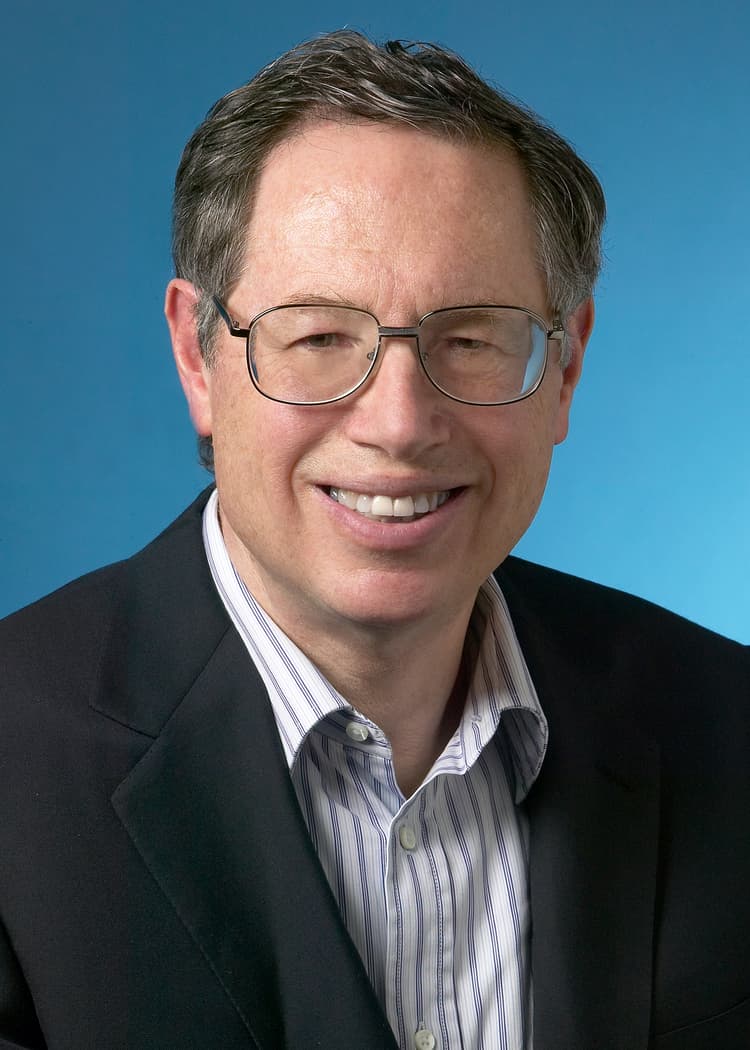
John H. Cochrane
Rose-Marie and Jack Anderson Senior Fellow
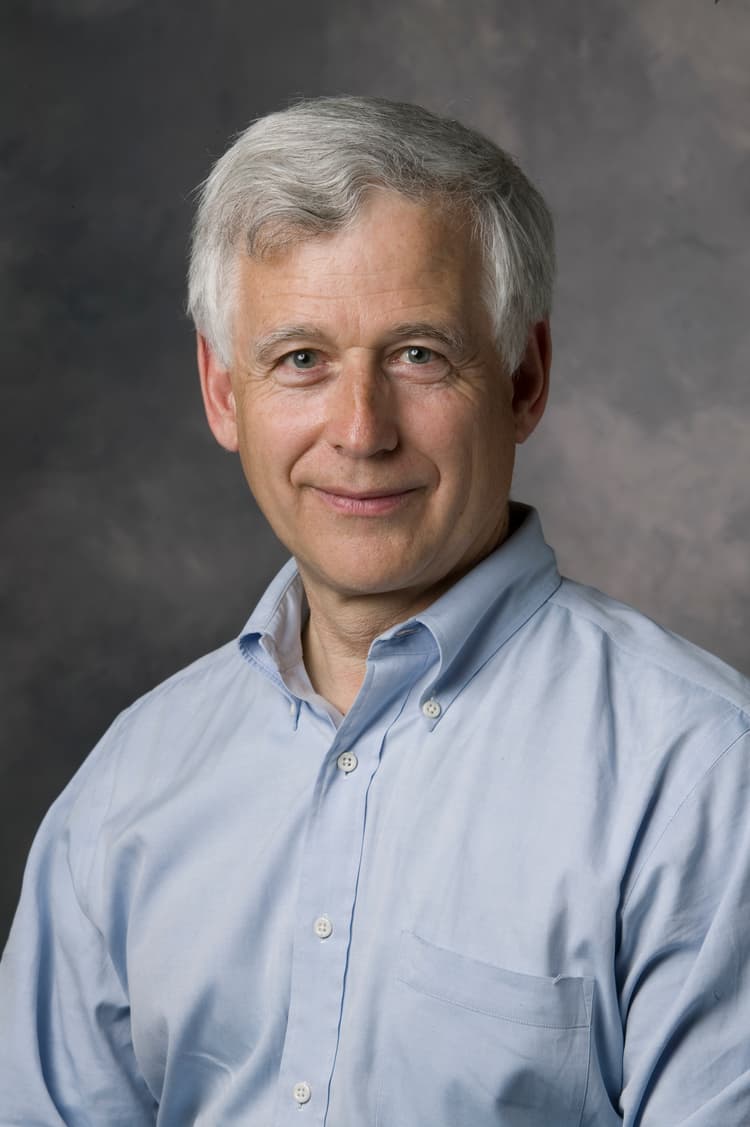
John H. Cochrane is the Rose-Marie and Jack Anderson Senior Fellow of the Hoover Institution at Stanford University.
His monetary economics publications include the books The Fiscal Theory of the Price Level, Crisis Cycle: Challenges Evolution and Future of the Euro (with Luis Garicano and Klaus Masuch) and articles on monetary policy and inflation. His finance publications include the book Asset Pricing and articles on dynamics in stock, bond, and foreign exchange markets and their links to economic fluctuations. He has also written articles on macroeconomics, health insurance, time-series econometrics, financial regulation, and other topics. He was a coauthor of The Squam Lake Report. He writes occasional Op-eds, mostly in the Wall Street Journal, and authors the “Grumpy Economist” Substack. He recently created the Coursera online course “Asset Pricing.”
Cochrane is also a Senior Fellow of the Stanford Institute for Economic Policy Research (SIEPR), Professor of Finance and Economics (by Courtesy) at Stanford GSB, a Research Associate of the National Bureau of Economic Research, and an Adjunct Scholar of the CATO Institute. He is a past President and Fellow of the American Finance Association, and a Fellow of the Econometric Society. He has been an Editor of the Journal of Political Economy, and associate editor of several journals including the Journal of Monetary Economics, Journal of Business, and Journal of Economic Dynamics and Control. He was a director of the NBER asset pricing program. Awards include the Bradley Prize, the APEE Adam Smith award, the TIAA-CREF Institute Paul A. Samuelson Award for Asset Pricing, the Chookaszian Endowed Risk Management Prize, the Faculty Excellence Award for MBA teaching and the McKinsey Award for Outstanding Teaching.
Before coming to Hoover, Cochrane was the AQR Capital Management Distinguished Service Professor of Finance at the University of Chicago Booth School of Business, where he taught the MBA class “Advanced Investments” and a variety of PhD classes in Asset Pricing and Monetary Economics. Cochrane earned a Bachelor’s degree in Physics at MIT, and earned his Ph.D. in Economics at the University of California at Berkeley. He was at the Economics Department of the University of Chicago before joining the Booth School in 1994, and visited UCLA Anderson School of Management in 2000-2001.
Outside of academic pursuits Cochrane is a competition sailplane pilot, and enjoys cycling, windsurfing, skiing, and other outdoor activities.
Learn More