Published June 19, 2026
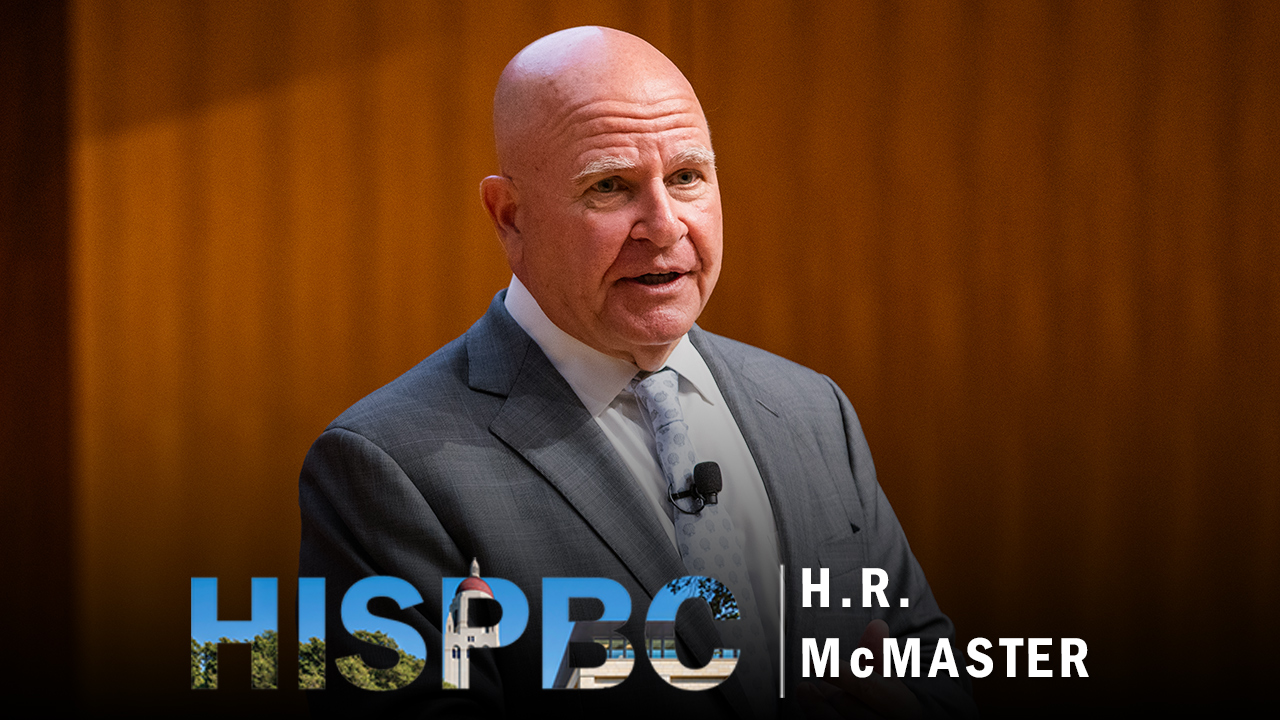
McMaster examines how the optimism of the post–Cold War era gave way to the shocks and disappointments that followed in the 2000s. False confidence in the inevitability of liberal order, the end of great-power rivalry, and the supremacy of American military technology, he argues, fostered strategic complacency and left the United States poorly prepared for a more dangerous world. What follows is a case for strategic competence grounded in clear objectives, disciplined judgment, and a clear understanding of war as political, human, uncertain, and ultimately a contest of wills.
Recorded on August 14, 2025.
Check out more from H.R. McMaster:
- Watch "Today's Battlegrounds" with H.R. McMaster here.
- Watch "GoodFellows" with H.R. McMaster here.
- Read "The Free World’s Competitive Edge" by H.R. McMaster here.
Learn more about H.R. McMaster here.
__________
The opinions expressed in this video are those of the authors and do not necessarily reflect the opinions of the Hoover Institution or Stanford University.
© 2026 by the Board of Trustees of Leland Stanford Junior University.