
Do Republicans Need A Reality Check On The Senate? "Reclaiming Liberal Education" & More | Peter Berkowitz
(16:24) Hoover Institution fellow Peter Berkowitz discusses his recent book Reclaiming Liberal Education in America.
September 28, 2026
Published June 3, 2025
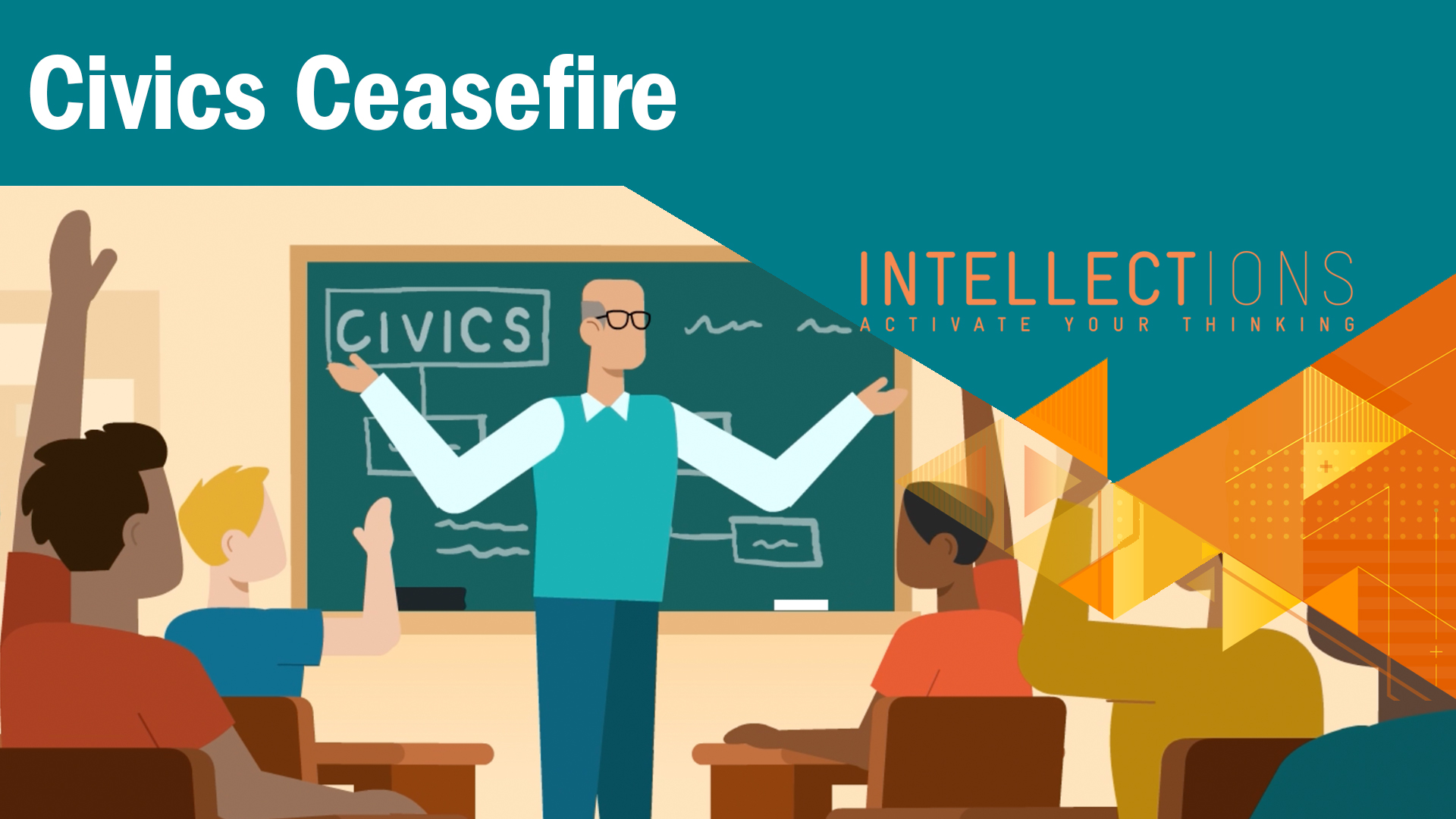
As civic knowledge declines, so too does the strength of American democracy. Today, only 22% of eighth graders are proficient in civics, while many young Americans question the viability of democracy itself. But amid growing political and cultural battles over what should be taught, parents across the spectrum agree: students must learn the founding principles that sustain the republic. By building on this consensus and advancing decentralized, state-led reforms, America can bypass ideological gridlock, strengthen civic understanding, and secure the foundations of constitutional self-government.
Check out more from Chester E. Finn Jr.:
Learn more about Chester E. Finn Jr. here.
__________
The opinions expressed are those of the authors and do not necessarily reflect the opinions of the Hoover Institution or Stanford University.
© 2025 by the Board of Trustees of Leland Stanford Junior University.
(16:24) Hoover Institution fellow Peter Berkowitz discusses his recent book Reclaiming Liberal Education in America.
September 28, 2026
How Thomas Sowell used economic history, evidence, and storytelling to challenge conventional wisdom and bring economics to the public.
October 1, 2026
Everyone quotes Thucydides—but are we getting him right? Historian Andrew Novo joins Andrew Roberts to explore what the chronicler of Athens and Sparta really tells us about war, democracy, ambition, and human nature.
September 28, 2026