Videos
Innovations In The Payments System
OECD Chief Economist Stefano Scarpetta joins Steve to discuss innovations in the payments system and what it means for transaction costs and financial stability.
October 2, 2026
Published April 11, 2024
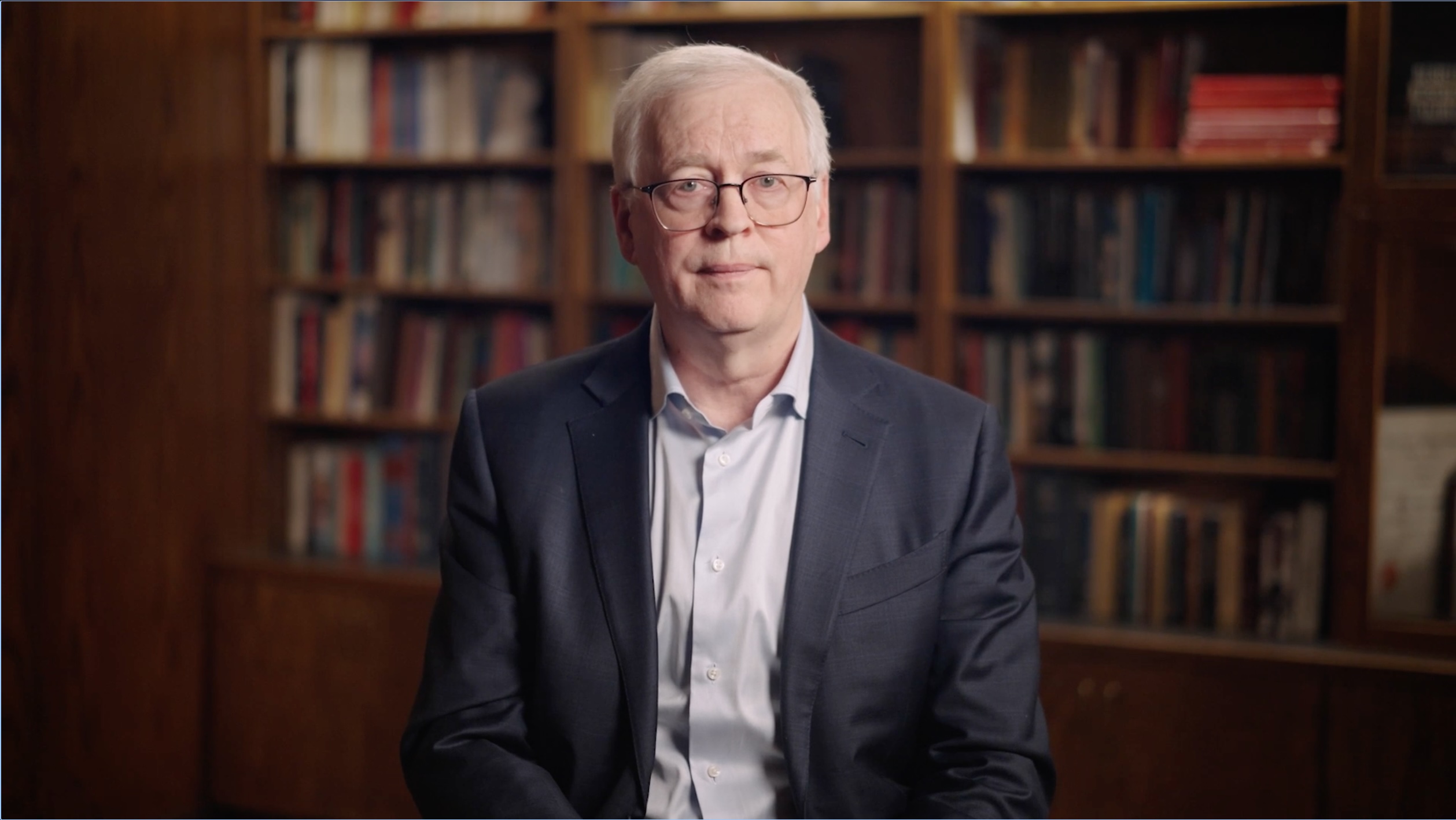
The COVID-19 pandemic has led to a significant increase in remote work opportunities, but these opportunities are unevenly distributed across the workforce. Employees with higher pay, more education, and more experience are much more likely to have the option to work from home, while those with lower pay, less education, and less experience rarely enjoy this benefit. To address the resulting tensions and perceptions of unfairness, managers should acknowledge the divide, align their own working arrangements with those of their employees, consider alternative options like a 4-day work week for onsite staff, and potentially offer one-time pay adjustments to compensate employees who cannot work remotely.
Check Out More from Steve Davis:
The opinions expressed on this website are those of the author and do not necessarily reflect the opinions of the Hoover Institution or Stanford University. © 2024 by the Board of Trustees of Leland Stanford Junior University.
Videos
OECD Chief Economist Stefano Scarpetta joins Steve to discuss innovations in the payments system and what it means for transaction costs and financial stability.
October 2, 2026
Videos
Why are data centers villainized and how will America prepare for a future driven by a great demand for artificial intelligence – and electricity?
October 2, 2026
Videos
Jon Hartley and Tyler Hassen go inside DOGE—what it uncovered, what it changed, and what comes next.
October 1, 2026