Videos
Inside DOGE: Reforming US Government Spending From The Inside
Jon Hartley and Tyler Hassen go inside DOGE—what it uncovered, what it changed, and what comes next.
October 1, 2026
Published December 17, 2019
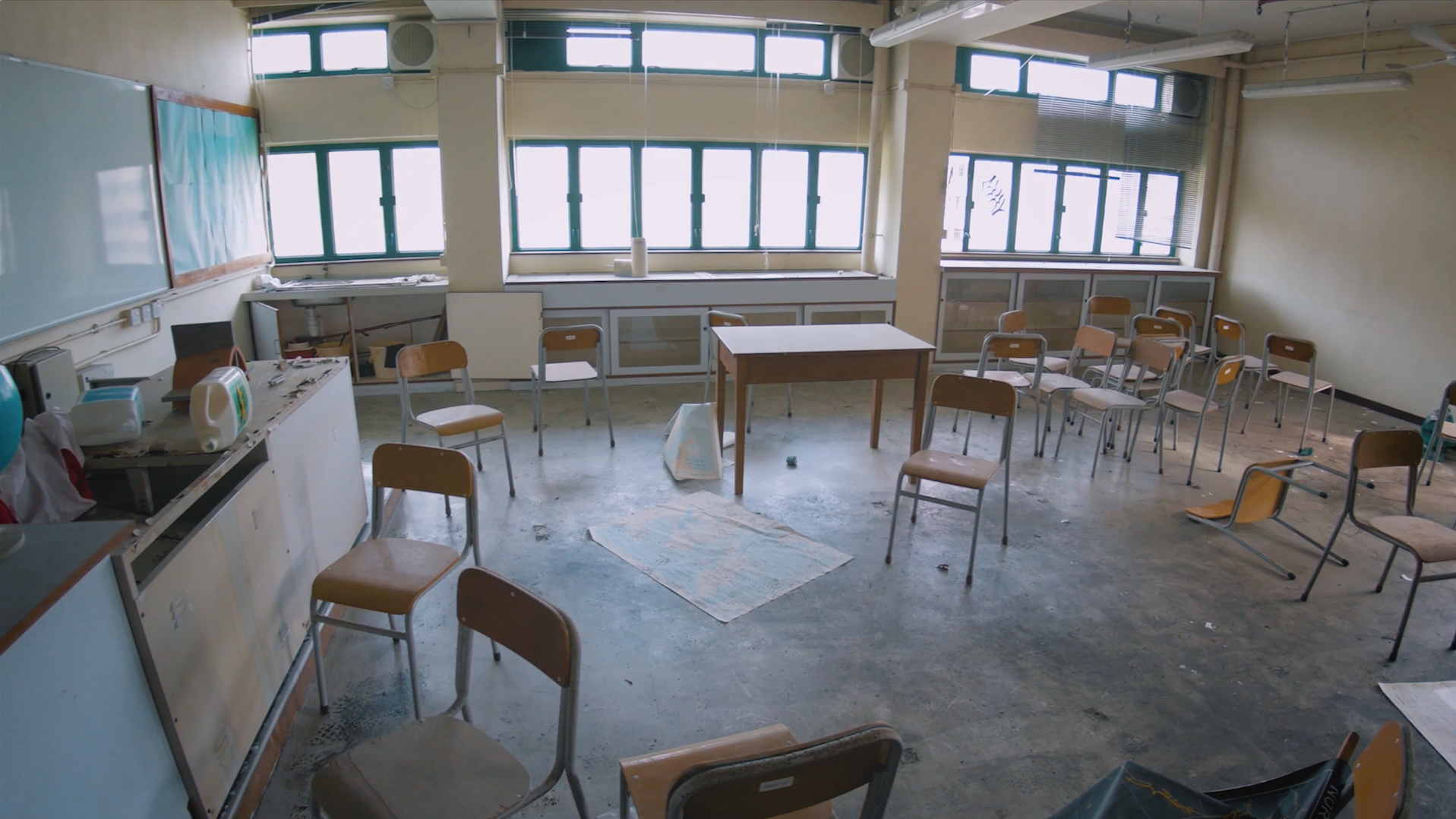
In the normal politics of reform, bad institutions are protected by powerful vested interests, making them difficult or impossible to fix. In the New Orleans school system after Hurricane Katrina, however, we get the rare opportunity to observe what happens when that power—which was destroyed by the storm—is removed from the equation. The result was a revolution, suggesting that there is a vast revolutionary potential among everyday decision makers who want to fix their failing institutions—a potential that, during normal times, is stifled by power but only waiting to be liberated.
Additional resources:
Discussion Questions:
Videos
Jon Hartley and Tyler Hassen go inside DOGE—what it uncovered, what it changed, and what comes next.
October 1, 2026
(16:24) Hoover Institution fellow Peter Berkowitz discusses his recent book Reclaiming Liberal Education in America.
September 28, 2026
How Thomas Sowell used economic history, evidence, and storytelling to challenge conventional wisdom and bring economics to the public.
October 1, 2026