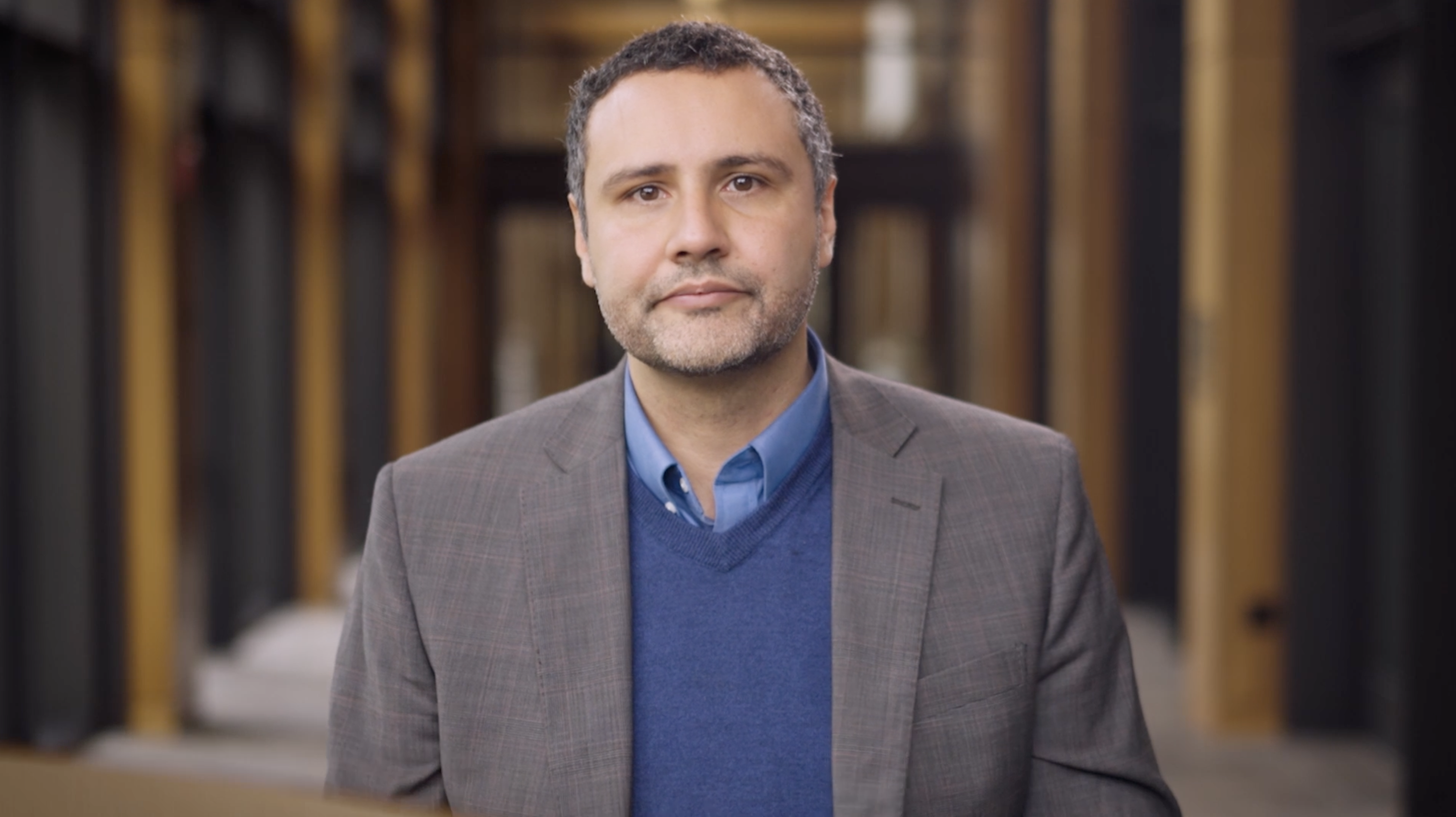
>> Michael McFaul: In an increasingly volatile world, the United States and its ability to bolster its national security, foster economic opportunity abroad, and advance cultural interests begins with diplomacy. The State Department and its diplomatic corps are an invaluable instrument to strengthen U.S. influence, counter rival powers like China, and foster meaningful international relationships.
Yet potential budget cuts to the State Department threaten to reduce diplomatic resources and the nation's capacity to maintain military alliances, secure trade opportunities, gather critical intelligence, and project soft power abroad as rival powers like China expand their diplomatic presence across the globe. For the United States, less is not more, more is more.
While many people might be familiar with a few key functions that diplomats serve, such as negotiating with foreign counterparts to convey U.S. policy positions, facilitating high level visits by American officials, and drafting memoranda of conversations for government records, many of their critical efforts might be unknown to most, obscuring their real significance.
Diplomats not only negotiate with their foreign counterparts on policy positions, but they also negotiate agreements, allowing approximately 800 US military bases to operate in over 70 countries, securing strategic positions from Greenland to the Solomon Islands. They also collaborate with the Department of Commerce to open markets for American companies, promote trade deals, and attract foreign investment.
Diplomats also gather unique intelligence through the cultivation of contacts in government, industry, and society, providing insights unavailable through public sources. Through outward facing public diplomacy, they showcase American culture, hosting musicians, athletes, and students to counter negative stereotypes and misperceptions. Abroad, diplomats have instrumentally shaped American influence, going all the way back to the Revolutionary War as founding fathers like Ben Franklin, John Adams, and Thomas Jefferson helped to secure financial and military aid from France, critical to American independence.
In the 20th century, diplomats like George Kennan and George Shultz secured alliances and partnerships that helped halt Soviet expansion, stop the spread of communism, and bring an end to the Cold War. In 2009, diplomatic efforts in Kyrgyzstan preserved access to the Manas air base, critical for U.S. operations in Afghanistan.
Negotiations with Kyrgyzstan's leadership countered a Russian bid to close the base, ensuring American troops could deploy effectively. Such outcomes highlight diplomacy's role in national security. Today's challenges demand robust diplomacy. China surpasses the United States in diplomatic presence and consequently, its global influence. In my book Autocrats vs. Democrats, I emphasize that alliances between autocracies like China and Russia pose unprecedented threats to the democratic world, requiring a renewed American diplomatic strategy to counter their disruptive ambitions.
State Department cuts risk, weakening America's ability to compete, undermining security, economic, and cultural objectives. To correct this course, the United States must first increase State Department funding to expand the diplomatic core and ensure a competitive presence against rival diplomatic efforts. Second maintain robust embassy operations to support diplomats, work to facilitate high level engagements, promote American economic interests, and counter rival narratives through cultural exchanges.
Third, prioritize public diplomacy initiatives such as hosting American musicians and entrepreneurs abroad to project soft power and build goodwill with foreign societies. These measures create a dynamic diplomatic ecosystem. Increased funding and modernization, enable diplomats to secure alliances, open markets, and gather intelligence. Enhance public diplomacy, projects American values, and fosters goodwill.
With a deep bench of diplomats. The United States not only counters American rivals but on the diplomatic front lines, but also helps promote widespread prosperity and stability around the world. Congress and the executive branch cannot afford to move slowly. Restoring the United States diplomatic capacity is perhaps the best way to uphold America's legacy as a global leader and to defend the free world against authoritarianism.